How to Fix Damaged Curls After a Professional Rebonding Treatment
Share
Achieving sleek straight hair through rebonding can feel exciting at first. However, this chemical-intensive process often disrupts the natural curl pattern, leaving hair weak, dry, and prone to breakage. The good news is that with the right care, your curls can regain strength, elasticity, and definition.
Understanding the Damage
Rebonding works by breaking and restructuring the hair’s natural bonds. This process strips moisture, proteins, and natural oils from the hair shaft. As a result, curls lose their integrity and appear limp or uneven. Scientifically, damaged hair has a compromised cuticle layer, which leads to moisture loss and increased fragility.

Step 1: Restore Moisture Balance
Hydration is the foundation of curl recovery. Use deep conditioning treatments at least twice a week. Look for ingredients like aloe vera, shea butter, and plant oils that penetrate the hair shaft. These ingredients help rebuild moisture levels and improve elasticity over time.
Step 2: Rebuild Protein Structure
Hair is primarily made of keratin protein. After rebonding, protein loss weakens the strands. Incorporate protein treatments into your routine once every two weeks. Balance is key because excessive protein can make hair stiff. A combination of protein and moisture treatments ensures optimal repair.
Step 3: Avoid Heat and Harsh Styling
Post-rebonding hair is highly sensitive. Avoid heat styling tools such as flat irons and blow dryers. Heat further damages the already weakened cuticle and delays recovery. Instead, allow your hair to air dry and embrace low-manipulation styles.
Step 4: Gentle Detangling and Handling
Use a wide-tooth comb or your fingers to detangle hair when it is damp and conditioned. This reduces breakage and preserves whatever curl pattern remains. Always start from the ends and work your way up to avoid unnecessary stress on the strands.
Step 5: Trim Damaged Ends
Split ends cannot be repaired. Regular trims help prevent further splitting and allow healthier curls to grow. Even a small trim every six to eight weeks can significantly improve overall hair health.
Step 6: Transition Back to Natural Curls
Patience is essential. As your natural hair grows, you will notice a difference in texture between rebonded and new growth. Gradually transitioning by trimming and nourishing new curls helps restore your natural pattern without shock to the hair.
Why Aroma Curls Makes the Difference
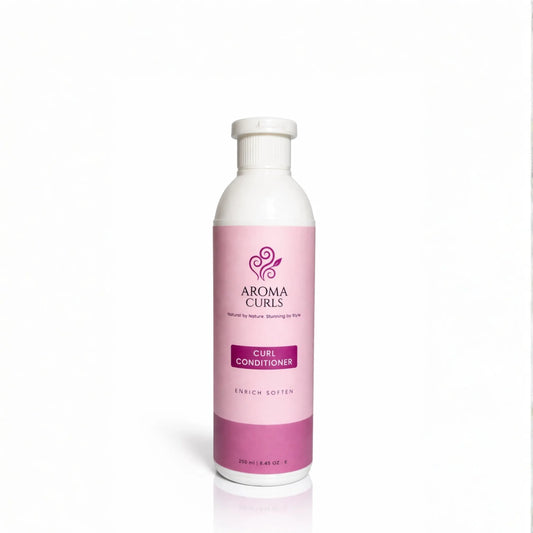
We specialize in restoring hair health through botanical-infused, chemical-free formulations. Our products are crafted with natural ingredients that deeply hydrate, strengthen, and revive damaged curls without causing further stress. Whether you are rebuilding after rebonding or nurturing your child’s delicate curls, our targeted collections are designed to support every stage of your curl journey. Choosing Aroma Curls means choosing sustainable, science-backed care that brings your natural beauty back to life.