
Understanding CHACS Syndrome - A Guide by Aroma Curls Experts
We are deeply committed to understanding hair in all its forms - not just for beauty, but also as an important indicator of overall health. Some rare conditions, like Curly Hair-Acral Keratoderma-Caries Syndrome (CHACS), highlight how closely hair is connected to genetic and developmental processes.
CHACS is an extremely rare condition that falls under the category of ectodermal dysplasia. These disorders affect tissues formed from the ectoderm layer during early development, including hair, skin, teeth, and nails. While uncommon, CHACS provides important insights into how genetics influence hair texture and structure.
Recognizing the Symptoms of CHACS Syndrome
From a hair specialist’s perspective, one of the earliest and most noticeable signs of CHACS is related to hair texture and quality.
Hair Characteristics
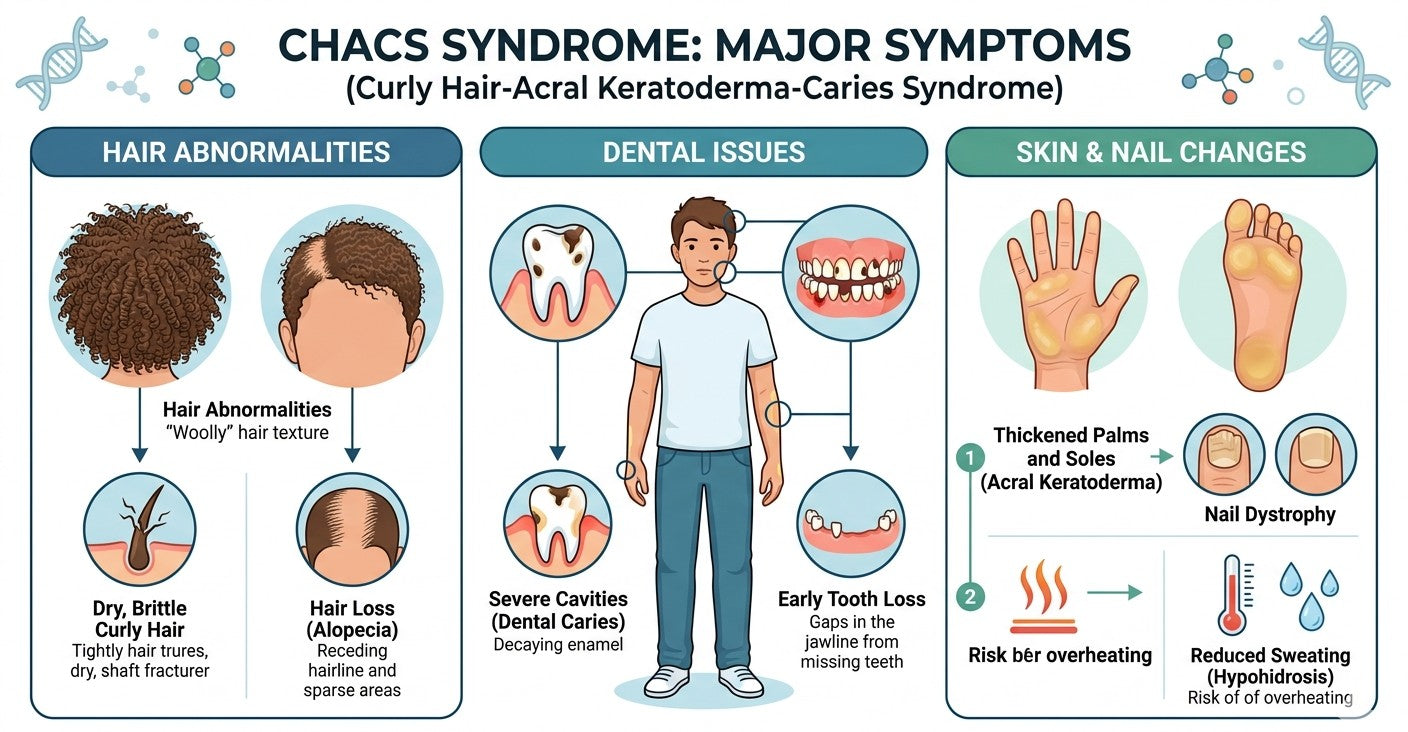
Individuals with CHACS typically have dry, brittle, and tightly curly hair that can be difficult to manage. Unlike naturally healthy curls, these strands often lack moisture retention and strength. Over time, there may also be premature hair thinning or loss, along with sparse eyebrows and eyelashes. A receding hairline and prominent forehead (frontal bossing) can also be observed.
Dental Concerns
Beyond hair, CHACS significantly impacts oral health. Severe early-onset cavities - clinically referred to as dental caries - are common. These can lead to early tooth loss, requiring ongoing dental care from a young age.
Skin and Nail Changes
Another defining feature is acral keratoderma, which causes thickening of the skin on the palms and soles. Nail abnormalities, or nail dystrophy, may result in ridged, brittle, or discolored nails. Some individuals also experience hypohidrosis, which can make it harder for the body to regulate temperature.
The Genetics Behind CHACS
CHACS is a hereditary condition, often inherited in an autosomal dominant inheritance pattern. This means that if one parent carries the gene, there is a 50% chance it will be passed on to their child.
Because of its rarity, CHACS is also classified among rare diseases, sometimes referred to as orphan conditions. Diagnosis typically involves a combination of clinical observation and genetic testing, focusing on abnormalities in ectoderm-derived tissues.
Management and Care: A Holistic Approach
While there is currently no cure for CHACS, proper management can significantly improve quality of life. At Aroma Curls, we emphasize a holistic and supportive care routine.
Hair Care Support
For fragile curly hair, gentle handling is essential. Moisture-rich, sulfate-free products and nourishing oils can help improve manageability. However, expectations should remain realistic, as the underlying structure of the hair is genetically determined.
Dental Care
Due to the risk of severe decay, consistent oral hygiene and regular dental visits are critical. Early interventions such as restorations or dentures may be necessary.
Skin and Nail Care
Dermatological treatments, including emollients and keratolytic agents, can help manage thickened skin and improve comfort.
Temperature Regulation
For those with hypohidrosis, staying cool and hydrated is essential. Avoiding excessive heat exposure can prevent discomfort and health risks.
We believe knowledge empowers care. Understanding rare conditions like CHACS not only broadens awareness but also helps individuals and families take informed steps toward better management and support.