If you're doing everything right but your curls still feel dry, rough and unmanageable, hard water is almost certainly part of the problem. Pakistan's tap water in Karachi, Lahore and Islamabad is high in dissolved calcium and magnesium minerals. Every time you wash your hair, those minerals deposit on the strand. Over time they build up into a coating that blocks moisture, stiffens the curl pattern and makes products sit on top instead of absorbing. This guide explains exactly what hard water does to curly hair and what to do about it so your routine actually works.
What Hard Water Actually Does to Curly Hair
Hard water contains calcium and magnesium ions that carry a positive electrical charge. Hair carries a negative charge. Opposites attract, so these mineral ions bind to the hair shaft as water runs over it. A single wash doesn't cause much damage on its own. But if you're washing two or three times a week in Pakistani tap water, the buildup compounds every session.
The result is a mineral film over each strand. This film does three things:
- It blocks moisturizing ingredients from entering the hair shaft, so your conditioner, leave-in and cream sit on top of the mineral layer rather than absorbing
- It lifts the cuticle over time, which pushes hair toward higher porosity and makes moisture escape faster once it does get in
- It makes the strand feel rough, looks dull even on healthy hair, and creates frizz that doesn't respond to products the way it should
This is why so many women in Pakistani cities find that their curl routine works beautifully for the first few weeks and then gradually stops producing the same results. The products haven't changed. The mineral buildup has increased.
How to Know If Hard Water Is the Problem
Hard water damage doesn't announce itself clearly. It looks and feels a lot like ordinary dryness, which is why many people respond by adding more product. More product on top of a mineral coating just adds to the problem.
Signs That Point to Hard Water Buildup
- Your hair feels dry almost immediately after washing, even right after conditioning
- Products stopped absorbing the way they used to, even though you haven't changed them
- Your curl pattern looks flatter or less defined than it used to be without any lifestyle change
- Hair feels rough or straw-like when dry, especially at the ends
- You see white residue or flaking on the hair that isn't dandruff
- Your scalp itches more than usual even though it doesn't feel oily
A Simple Test You Can Do at Home
Take a single strand of clean, dry hair and run your fingers from root to tip. Then run them from tip to root. If the strand feels smooth going down but rough going up, the cuticle is relatively intact and buildup may not be severe yet. If it feels rough in both directions and almost gritty, mineral buildup is likely already significant. You can also fill a clear glass with tap water and leave it to evaporate. White residue left on the glass after the water dries is mineral content, the same material coating your hair.
Hard Water Levels Across Pakistani Cities
| City | Hard Water Level | How Often to Clarify |
|---|---|---|
| Lahore | Very high (groundwater source) | Every 2 to 3 weeks |
| Islamabad | High (mountain spring mix) | Every 3 weeks |
| Karachi | Moderate to high (varies by area) | Once a month |
| Faisalabad | High | Every 2 to 3 weeks |
| Peshawar | High | Every 3 weeks |
These are general estimates based on regional water source types. If your hair is responding with severe dryness and your city is listed as moderate, clarify more often. Your hair will tell you what it needs more accurately than a chart will.
How to Remove Hard Water Buildup from Curly Hair
Step 1: Use a Clarifying Shampoo
A clarifying shampoo is formulated to remove both product buildup and mineral deposits. It's stronger than a regular sulfate-free cleanser and should not be used every wash day. Use it once every two to four weeks depending on your city's water hardness and how often you wash. Follow immediately with a deep conditioning treatment because clarifying opens the cuticle and that's exactly when deep conditioner absorbs best.
Look for clarifying shampoos with chelating agents like EDTA or citric acid. These ingredients bind specifically to mineral ions and lift them off the strand.
Step 2: Apple Cider Vinegar Rinse (Between Clarifying Sessions)
Apple cider vinegar is mildly acidic. Mineral deposits from hard water are alkaline, and acid neutralizes alkaline buildup. An ACV rinse between your regular clarifying sessions can slow down mineral accumulation and keep the cuticle lying flatter between washes.
Mix one part apple cider vinegar with three parts water. After shampooing and before conditioning, pour it over the hair, massage gently and leave for two minutes. Rinse with cool water, then condition as normal. Don't use ACV more than once a week, as overuse can strip moisture.
Step 3: Rinse with Filtered or Bottled Water
If your budget allows, finishing your rinse with filtered or low-mineral water makes a significant difference. You don't need to wash your hair entirely in filtered water. Just the final rinse, after conditioning, done with filtered water prevents new mineral deposits from forming on freshly cleaned strands. This is especially worth doing before applying leave-in and styling products.
Step 4: Seal Products Properly After Washing
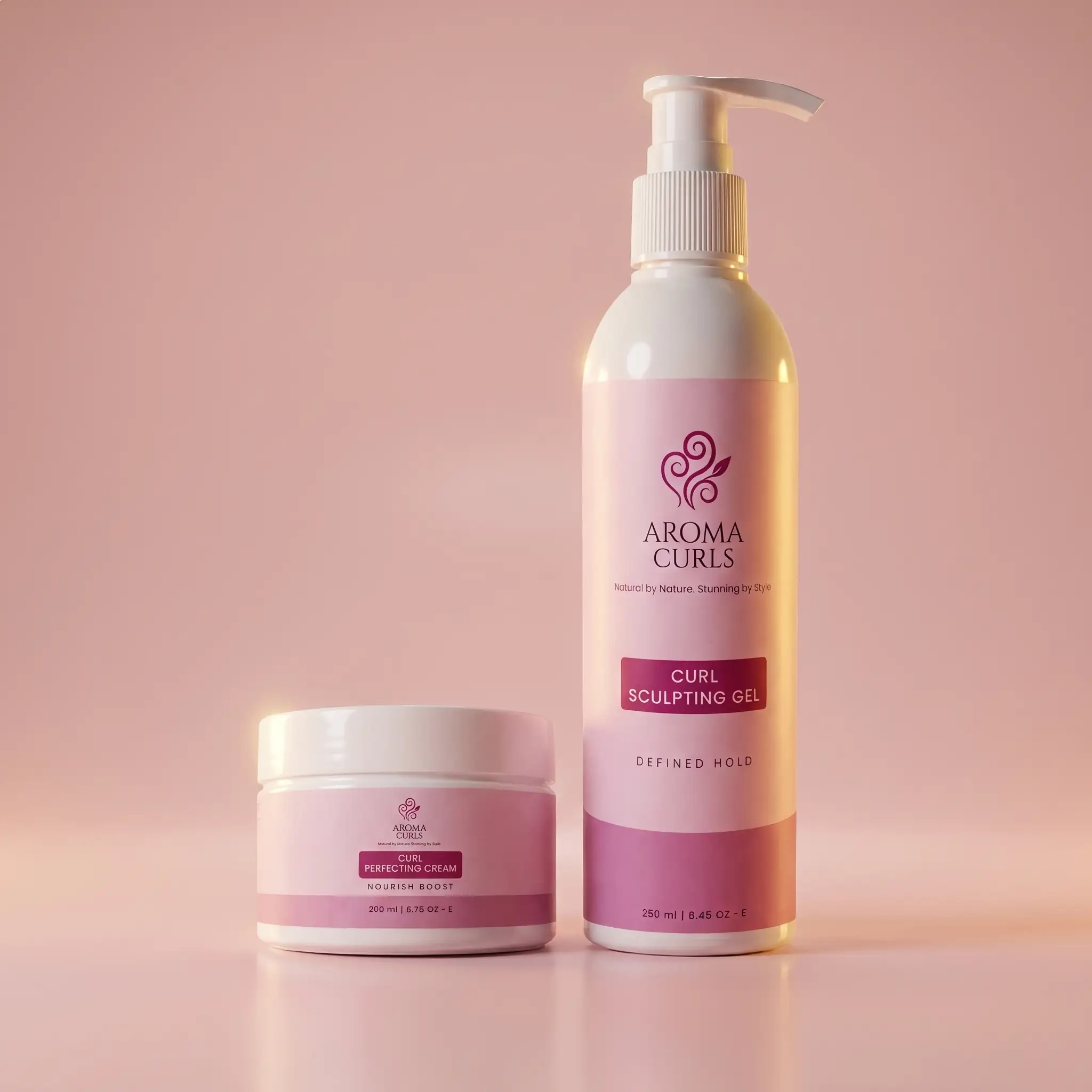
Once the hair is clean and clarified, the product layering sequence becomes the most important factor. Minerals can't build up as aggressively on strands that are properly sealed. Leave-in conditioner on soaking wet hair, cream on top to define and hold moisture, then gel to seal the exterior. Each layer narrows the gap the next mineral wash can exploit.
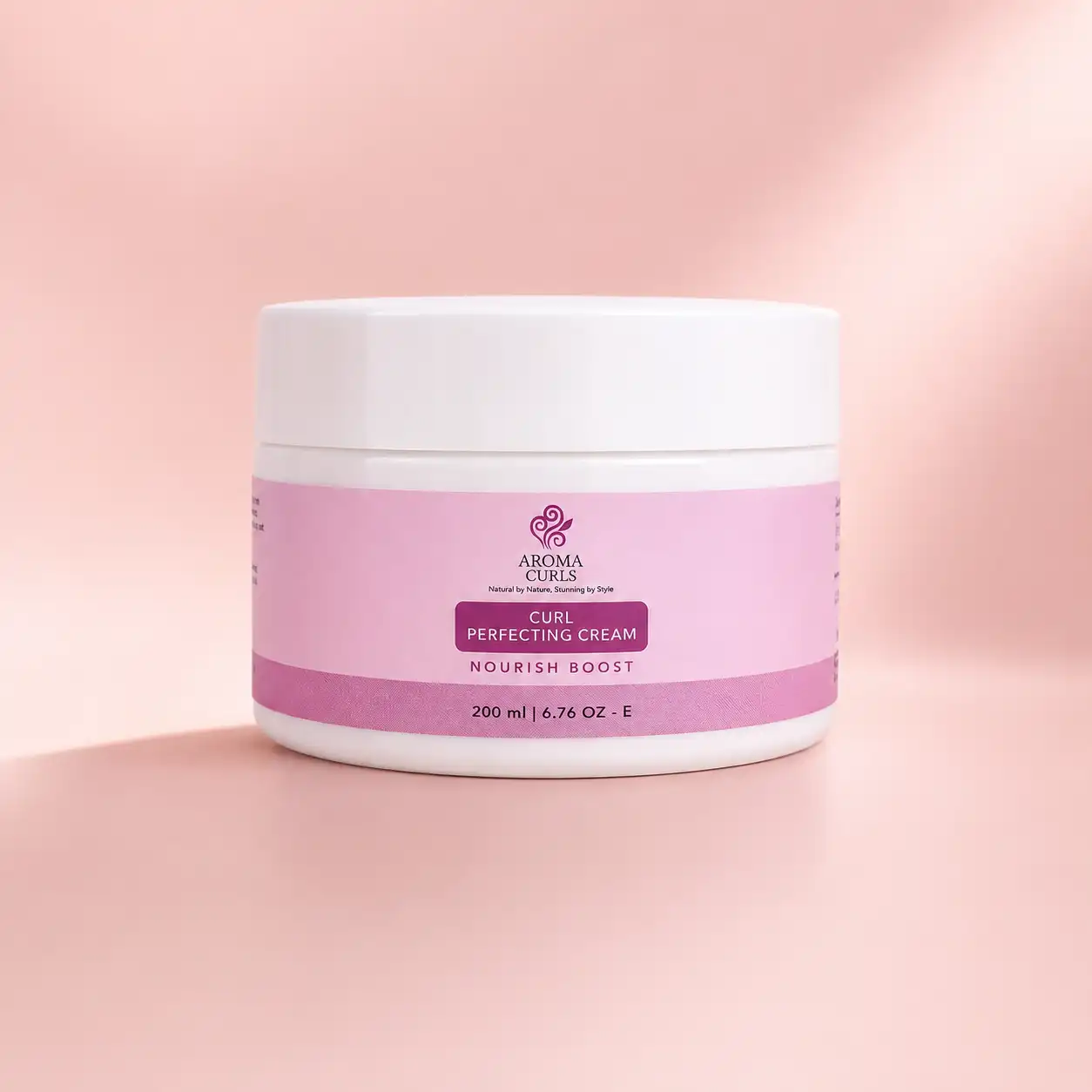
Aroma Curls Curl Perfecting Cream
Apply on soaking wet hair immediately after clarifying and deep conditioning. The moisture window after clarifying is short, so apply cream before the hair has a chance to dry out.
https://aromacurls.com/products/curl-perfecting-cream
Aroma Curls Curl Sculpting Gel
Seals the cream layer in and creates a surface barrier. This is especially important in Pakistani cities where the tap water used in the next wash will start depositing minerals again from the very first rinse.
https://aromacurls.com/products/curl-sculpting-gel
What Not to Do When Dealing with Hard Water
- Don't add more product thinking that will fix dryness. Layering more leave-in or cream on top of mineral buildup doesn't help. The buildup prevents any of it from absorbing. Clarify first, then layer products.
- Don't skip deep conditioning after clarifying. Clarifying strips minerals but also removes some of the hair's natural coating. Deep conditioning immediately after puts moisture back in while the cuticle is open.
- Don't use a protein treatment to fix hard water dryness. Protein addresses structural damage, not mineral buildup. Using protein when what you need is a clarifying wash leads to protein overload without solving the actual problem.
- Don't wait until your hair feels terrible to clarify. Mineral buildup is gradual. A preventive clarifying session every few weeks keeps the hair performing consistently rather than letting it deteriorate and then scrambling to recover.
Frequently Asked Questions
Q: Can I use a regular sulfate shampoo to remove hard water buildup?
A sulfate shampoo will remove some surface buildup but it doesn't contain chelating agents that specifically target mineral ions. It will also strip the hair of moisture without fully resolving the problem. A dedicated chelating or clarifying shampoo formulated to remove mineral deposits is more effective and targets the actual cause rather than just the surface layer.
Q: Is hard water the reason my hair has changed even though my routine hasn't?
If your routine was working well and then gradually stopped producing the same results without you changing anything, mineral buildup is one of the most likely causes. This happens slowly over months, which is why people often don't connect the change in their hair to their water. A single clarifying session often brings the results back noticeably, which confirms that buildup was the issue.
Q: How do I know when to clarify again after the first session?
Watch your hair's behaviour in the days after clarifying. When you notice products starting to sit on top again rather than absorbing, your curl definition becoming less consistent, or your hair feeling rough again despite your routine staying the same, it's time to clarify. Most women in Lahore and Faisalabad find this happens every two to three weeks. In Karachi, it's usually once a month.
Q: Will installing a shower filter solve the problem?
A shower filter that reduces mineral content will definitely help. It won't eliminate buildup entirely since no filter removes 100 percent of dissolved minerals, but it significantly reduces how much accumulates per wash. If you can install one, it's worth it. You'll still need to clarify occasionally, but less frequently. This is a good long-term investment if your city has very hard water.
The most effective thing you can do for curls in Pakistan's hard water cities is clarify regularly and then seal properly with products that actually absorb. Aroma Curls Curl Perfecting Cream and Curl Sculpting Gel are formulated to absorb and seal on Pakistani curly hair, making the most of the moisture window you get right after clarifying.
Curl Perfecting Cream | Curl Sculpting Gel | Shop All Products