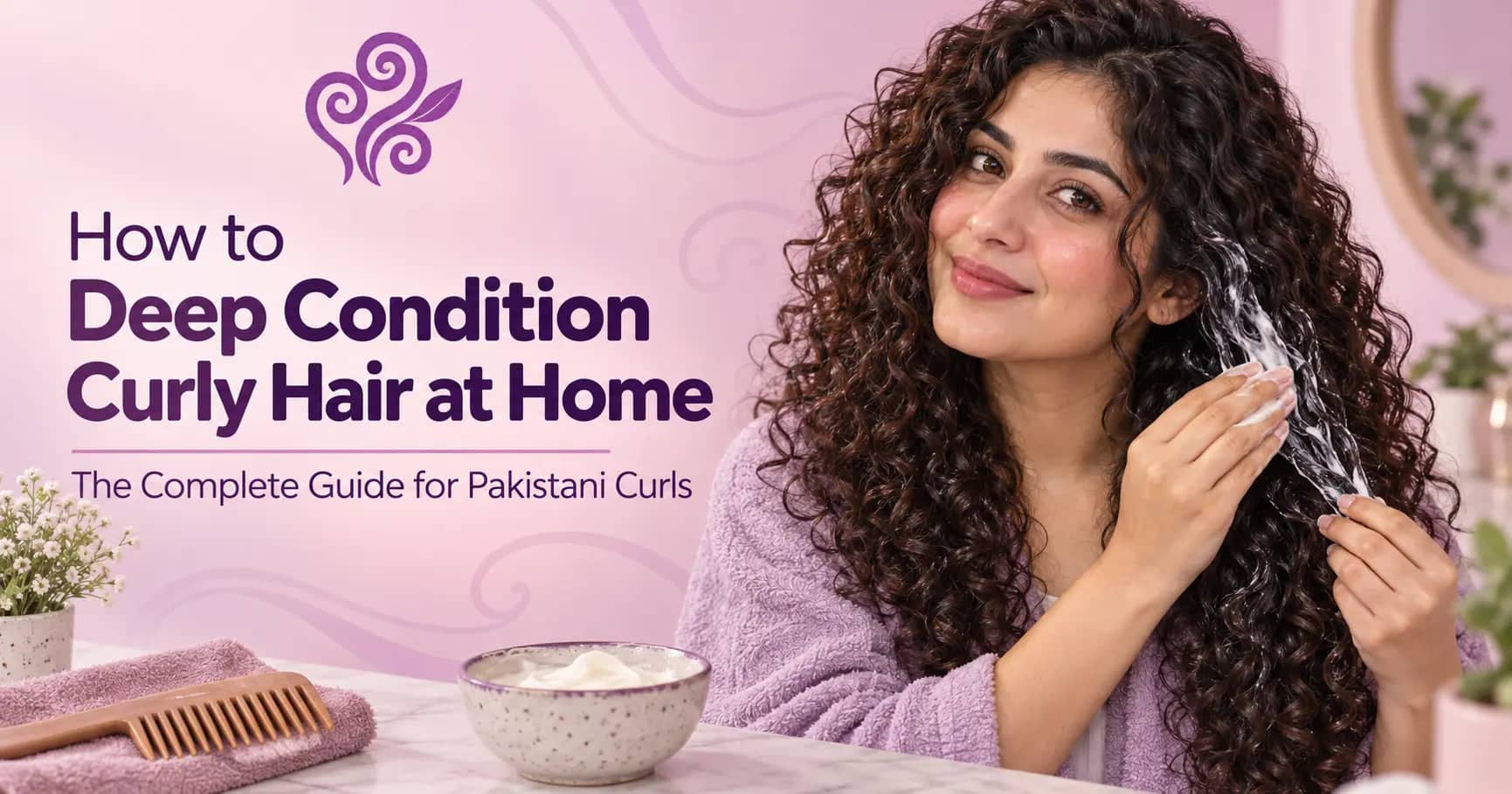
Deep conditioning is the single step most Pakistani curl routines are missing. Not because people don't want healthy curls, but because the difference between a regular conditioner and a deep conditioner isn't well understood. They are not the same product used for different amounts of time. They do completely different things. This guide explains what deep conditioning actually does, when your curls are telling you they need it, and how to do it properly at home in Pakistan. If you haven't set up your full curl routine yet, start with the Curly Girl Method beginner's guide first.
Why Regular Conditioner Is Not Enough
A regular conditioner is rinsed out after three to five minutes. In that time, it softens the surface of the strand and makes detangling easier. That's it. It doesn't penetrate into the hair shaft and it doesn't deposit lasting moisture.
A deep conditioner works differently. It's formulated with a higher concentration of ingredients like shea butter, glycerin, ceramides and plant proteins, and it needs a minimum of 15 to 30 minutes on the hair to work. That time allows the active ingredients to move past the cuticle surface and into the cortex of the strand, which is where moisture is actually stored.
For curly hair in Pakistan, hard water, heat and humidity constantly draw moisture out of the hair shaft. A regular conditioner replenishes the surface temporarily. A deep conditioner restores what the environment is continuously taking away.
Signs Your Curls Are Overdue for Deep Conditioning
- Curls that used to spring back are now hanging flat or stretching without bouncing
- Hair feels dry again within a day or two of washing, regardless of what products you use
- The ends feel rough or snap easily when you pull a strand
- Your curl definition is inconsistent even when your routine hasn't changed
- Your hair has been chemically treated, repeatedly heat-styled or colour-damaged
- You wash regularly with tap water in Lahore, Islamabad or Karachi without a monthly clarifying step
Any one of these is enough reason to deep condition this wash day. All of them together means it's been too long.
Deep Conditioner vs. Hair Mask vs. Protein Treatment
These three are used interchangeably but they are distinct products with different purposes.
A deep conditioner focuses on moisture. It's used the most frequently, once a week for most curl types, and it deposits hydrating ingredients into the strand.
A hair mask is similar in function but typically thicker and heavier, with more oils or butters. It suits very thick or coarse hair that needs more than a standard deep conditioner provides.
A protein treatment repairs structural damage by temporarily filling gaps in the hair shaft. It's used much less often, every two to four weeks maximum, because too much protein makes hair stiff and brittle. This is called protein overload and it's common when people use protein treatments weekly thinking more is better.
For most Pakistani curly hair that hasn't been chemically processed, a weekly moisture deep conditioner is the priority. Protein is added only when there are clear signs of structural damage: extreme stretchiness when wet, a gummy texture or breakage at the ends.
How to Deep Condition Curly Hair at Home: Step by Step
Step 1: Start on Clean Hair
Deep conditioner cannot penetrate through product buildup and scalp oils. Apply it only after washing with your sulfate-free shampoo and rinsing completely. Skipping this step wastes the product.
Step 2: Apply Generously in Sections
Part the hair into four to six sections depending on how thick it is. Coat every strand from root to tip with a generous amount of deep conditioner, working through each section with your fingers. Don't be conservative here. Deep conditioning doesn't work when it's spread too thin. Scrunch each section upward once it's coated.
Aroma Curls Deep Conditioner : A rich moisture treatment formulated for curly hair in Pakistan's climate. Apply generously in sections, leave on with heat for 20 to 30 minutes, then rinse with cool water to lock moisture in.
Step 3: Use Heat to Open the Cuticle
Heat is what separates a thorough deep conditioning session from one that stays on the surface. An open cuticle absorbs product. A closed one doesn't. You don't need professional equipment to generate enough heat. Here are three ways to generate enough heat at home:
- Wrap a hot towel (run under warm water, then wring out) around a shower cap over the hair for 20 to 30 minutes
- Sit in a steam room or a hot shower with the hair covered for 20 minutes
- Sit under a hooded dryer for 20 minutes if you have one
- In Pakistan's summer, covering with a shower cap and sitting in a warm room often provides enough ambient heat on its own
If none of these are available, increase the time to 45 to 60 minutes at room temperature.
Step 4: Rinse with Cool Water
After processing, rinse everything out with cool water. This is not optional. Cool water closes the cuticle over the moisture that was just deposited, which locks it inside the strand. Rinsing with warm water reopens the cuticle and lets the moisture escape. The rinse temperature matters as much as everything before it.
Step 5: Go Straight into Styling
Do not towel-dry first. After rinsing, move immediately into your styling routine while the hair is still soaking wet. The deep conditioning session has maximized what the cuticle will hold. Styling wet traps that moisture before it evaporates. This is when curl cream and gel matter most.
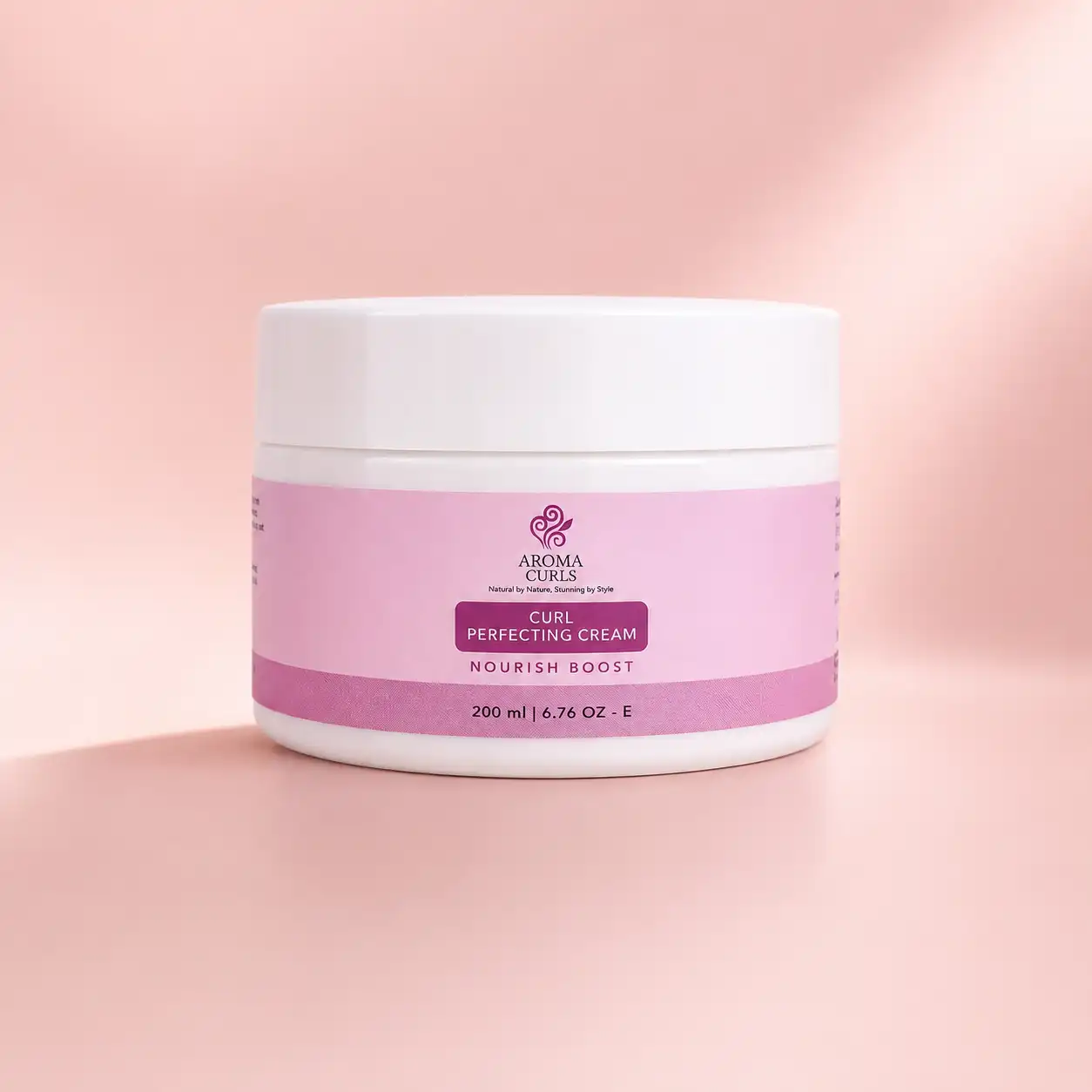
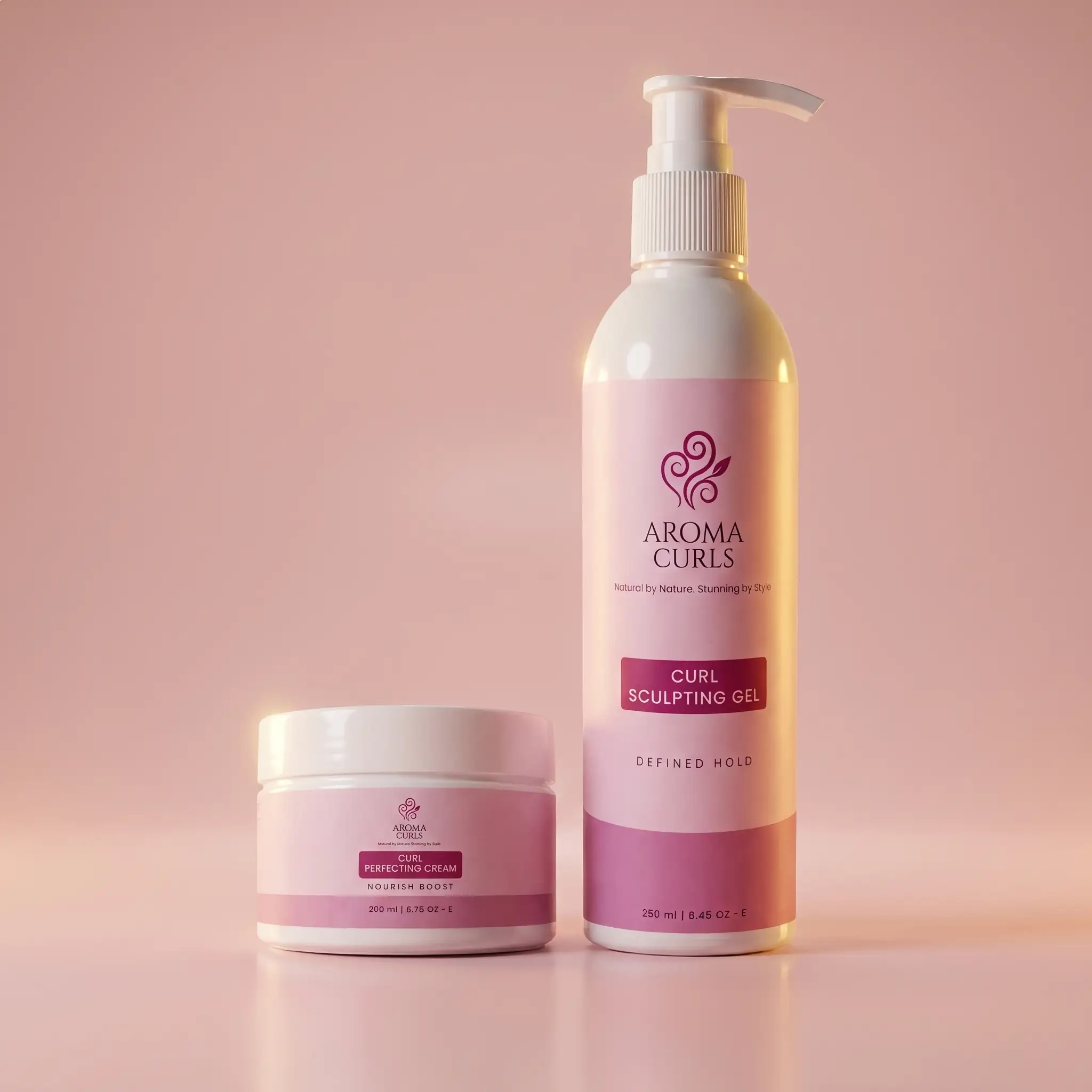
Aroma Curls Curl Perfecting Cream : Apply on soaking wet hair right after deep conditioning. Defines the curl pattern and smooths the cuticle before the gel seals everything in.
Aroma Curls Curl Sculpting Gel : Applied over the cream on wet hair. Locks in the moisture from the deep conditioning session and builds a humidity barrier. Essential after every wash in Pakistan's climate.
How Often to Deep Condition in Pakistan
| Curl Type or Condition | Recommended Frequency |
|---|---|
| Loose waves, healthy hair | Every 2 weeks |
| Defined spirals, healthy hair | Once a week |
| Tight coils | Once a week, twice if very dry |
| Chemically treated or colour-damaged hair | Once a week minimum |
| Low porosity hair | Every 2 weeks, always with heat |
| High porosity hair | Once a week, always with heat |
| Hard water cities: Karachi, Lahore, Islamabad | Once a week |
Most Pakistani curl types land in the once-a-week column. Hard water mineral deposits are an ongoing source of moisture loss that regular conditioner does not address on its own.
Common Deep Conditioning Mistakes
- Applying on dirty hair: Buildup blocks the product from reaching the hair shaft. Always deep condition on freshly washed hair.
- Skipping heat: Without heat, the cuticle stays partially closed and the product sits on top rather than penetrating.
- Rinsing with hot water: Hot water undoes the work by reopening the cuticle and releasing the moisture just deposited.
- Using protein treatments every week: Protein overload is a real problem. Moisture and protein treatments have different jobs. Use moisture weekly, protein only when the hair shows signs of structural damage.
- Towel-drying before styling: Move directly from rinsing into styling on wet hair. Every minute of air time after rinsing and before styling is moisture leaving the strand.
Frequently Asked Questions
Can I just use extra regular conditioner instead of a deep conditioner?
Leaving a regular conditioner on longer does provide some extra benefit, but it isn't the same thing. Deep conditioners are formulated at higher concentrations specifically to penetrate the hair shaft over time. A regular conditioner held on for longer still mostly sits on the surface. If you don't have a deep conditioner on hand, it's a decent short-term workaround, but it doesn't replace the real thing.
How do I know if my curls need protein or moisture?
Gently stretch a single wet strand. If it stretches a lot before snapping or doesn't snap back, the structural bonds are weakened and protein will help. If it barely stretches before breaking, the strand is dry and brittle and moisture is what it needs. Most Pakistani curly hair that hasn't been chemically treated needs moisture far more often than protein.
Can I sleep with deep conditioner in overnight?
It works better for high porosity hair, which absorbs product quickly. For low porosity hair, the product may just sit on the surface overnight rather than absorbing. Cover with a satin bonnet or shower cap and wash out in the morning. Don't do this with a protein treatment. Leaving protein on overnight increases the risk of protein overload.
Does Pakistan's hard water make deep conditioning less effective?
Yes. Mineral deposits from hard water coat the hair shaft and reduce how much any product, including deep conditioner, can absorb. The fix is a monthly clarifying wash before your deep conditioning session. Think of it as clearing the path so the deep conditioner can actually get in. Without that clarifying step, even the best deep conditioner will underperform.
After deep conditioning, the two products that lock in what was just deposited are Aroma Curls Curl Perfecting Cream and Curl Sculpting Gel. Apply both on soaking wet hair immediately after rinsing to seal moisture and hold definition through Pakistan's heat and humidity.