Quick Answer
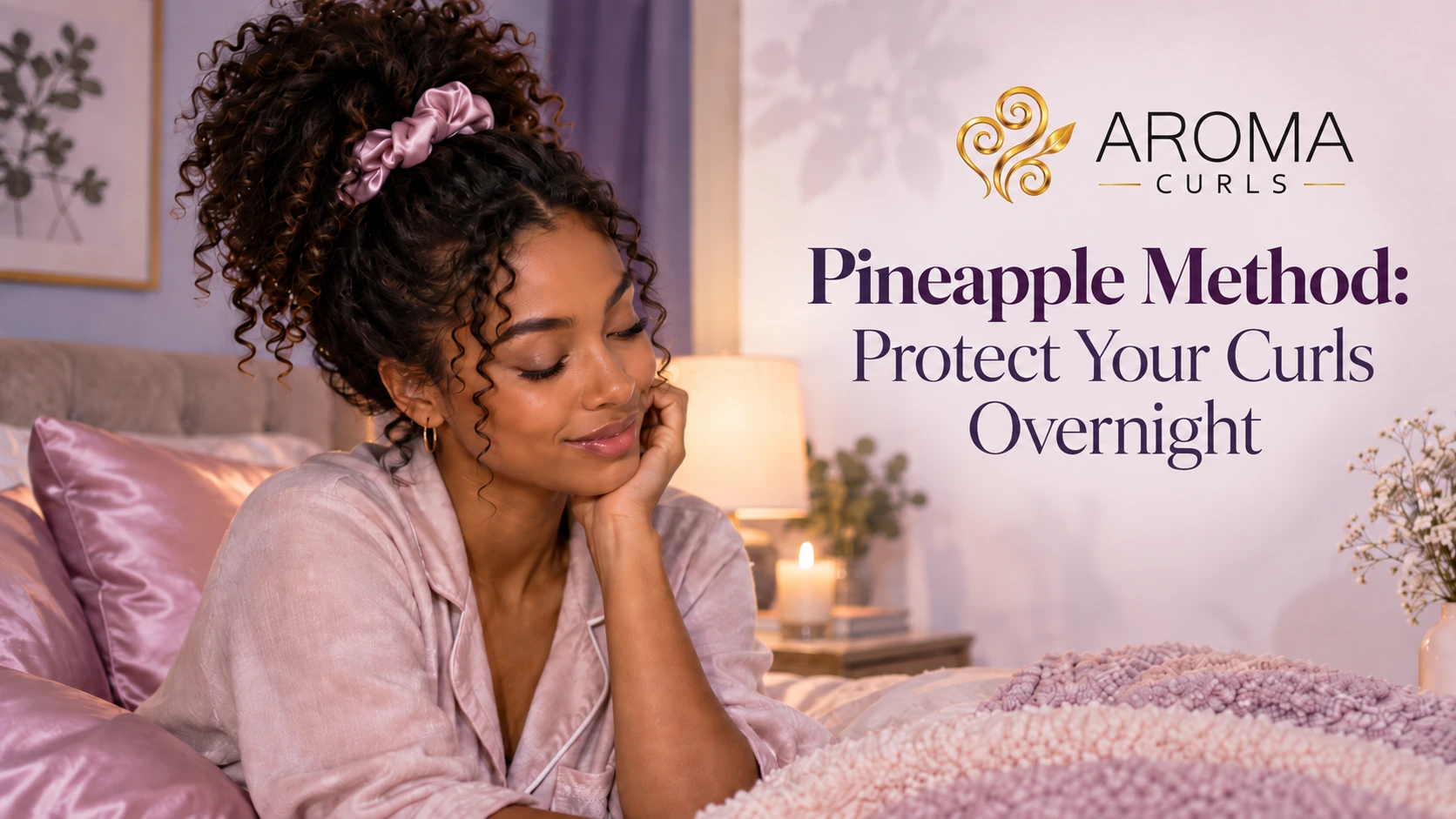
The pineapple method is a loose, high ponytail at the crown of your head, secured with a satin scrunchie before sleeping. It keeps curls piled on top instead of getting crushed underneath you, so you wake up with the curl shape mostly intact and need far less refreshing in the morning.
Everything you build on wash day, from clump formation to definition and frizz control, can be undone in one night of sleeping on unprotected curls. Cotton pillowcases pull moisture out of the hair and create friction that separates curl clumps. The weight of your head flattens whatever is underneath. By morning, curls that looked great the night before are compressed, frizzy and half the definition they were. The pineapple method solves this. It takes thirty seconds and needs nothing more than a satin scrunchie. This guide explains how to do it correctly for every curl length and what to expect the morning after, including how to adjust for Pakistan's climate, from Karachi's humid nights to dry winters in Lahore and Islamabad.
What Is the Pineapple Method?
The pineapple method is a protective sleep style used in the second-day curl refresh. Where you gather all your hair loosely on top of your head and secure it with a satin or silk scrunchie before bed. The result looks like the leaves of a pineapple sitting at the crown, which is where the name comes from.
The logic behind it is simple. When curls hang loose during sleep, they get pressed between your head and the pillow for hours. The friction from movement causes the curl clumps to separate and the cuticle to rough up, which produces frizz. Moving the hair to the top of your head means the curls are piled upward and barely touch the pillow surface. Less contact, less friction, less disruption to the curl pattern.
The pineapple also keeps the products in your hair from being absorbed by the pillowcase overnight. Cotton fabric is very absorbent. A full night's contact pulls leave-in, cream and gel residue out of the hair, which is one reason curls feel dry by morning even though they were moisturized the night before.
What Do You Need to Pineapple?
A satin or silk scrunchie: the most important item. Regular elastic hair ties create a crease in the hair, and their rough surface roughens the curl where it is wrapped. A satin scrunchie is smooth and gentle enough to avoid leaving a mark.
A satin or silk pillowcase (optional but recommended): even with a good pineapple, the curls that touch the pillow benefit from a smooth surface. Satin pillowcases are easy to find in Pakistan at fabric shops and online stores.
Nothing else: no pins, no clips, no tight elastics. The entire point is a loose, gentle hold that doesn't pull or crease the hair.
A regular rubber band or tight hair tie will leave a visible crease at the base of the pineapple and break curl clumps at that point. Use only a soft, satin-covered scrunchie. If you don't have one yet, a soft silk or satin dupatta strip tied loosely works as a temporary substitute. The key is avoiding elastic or rough fabric that digs into the hair.
How to Do the Pineapple Method: Step by Step
Step 1: Flip your head forward
Lean forward from the waist and let all your hair fall toward the floor. This allows gravity to gather the hair upward toward the crown without you having to drag it up manually, which would disturb the curl clumps. Do this gently, because pulling hair up from the sides compresses and separates the sections you're moving.
Step 2: Gather loosely at the very top of your head
While still flipped forward, use one hand to loosely gather the hair at the highest point of your head, not at the back of your head, and not at the nape of your neck. The crown is the target. The gathering should be casual, not tight. You're not making a neat ponytail. You're just corralling the curls upward.
Step 3: Secure with a satin scrunchie, very loosely
Wrap the satin scrunchie around the base of the gathered hair once or twice, just enough to hold it in place without pulling. The pineapple should feel like it could almost fall out if you shook your head. If it feels tight, it's too tight. A tight pineapple creates tension at the roots and leaves the hair kinked at the base, which means a dent at that point when you take it down in the morning.
Step 4: Stand up slowly and adjust
Stand up and check that the pineapple is sitting at the crown, not sliding to the back. It should fan out slightly in all directions from the scrunchie, like the top of a pineapple. If the curls at the front feel pulled, loosen the scrunchie. Sleep on your back if possible to keep the pineapple from getting pressed flat against the pillow. If you're a side sleeper, a satin pillowcase helps protect the curls that touch the pillow.
Does the Pineapple Method Work for All Hair Lengths?
The technique works across all lengths but needs a small adjustment depending on how long your hair is.
Short Curly Hair (Chin Length and Above)
Short curly hair is the hardest to pineapple because there isn't enough length to gather into a ponytail at the crown. Instead, try a modified version: gather two or three small sections on top of the head into mini pineapples, each held with a small satin scrunchie. If the hair is too short even for that, a loose satin bonnet covers short curly hair well and achieves the same protection without needing enough length to tie up.
Medium Length Curly Hair (Shoulder to Collarbone)
Medium length hair pineapples best. There is enough hair to gather at the crown without the weight pulling the scrunchie down during the night. This length tends to get the cleanest pineapple results because the curls pile loosely upward without being heavy enough to flatten themselves under their own weight.
Long or Very Thick Curly Hair
Long or very thick hair is heavy, and a single pineapple can pull uncomfortably during sleep or slip down toward the nape of the neck. The solution is to do two pineapples: gather the top half of your hair in one loose scrunchie at the crown, then gather the bottom half in a second scrunchie slightly lower. This distributes the weight and keeps both sections elevated. Use two satin scrunchies, both wrapped very loosely.
How Does Pakistan's Climate Affect Overnight Curl Protection?
Pakistan's climate varies sharply by region and season, and those differences directly affect how well your pineapple holds up through the night. Karachi's humidity, Lahore and Islamabad's dry winters, and the heat across all three cities create different challenges for overnight curl protection. Knowing your local conditions helps you decide whether a pineapple alone is enough or whether you need to add a satin bonnet for extra coverage.
Humidity (Karachi and Coastal Areas)
In humid conditions, especially in Karachi during monsoon season, overnight humidity can cause the hair to absorb moisture from the air unevenly, even inside a pineapple. This often causes certain sections to look frizzy by morning while others look fine. A satin bonnet worn over the pineapple adds an extra barrier and makes a significant difference in high-humidity environments. The bonnet traps the hair's own moisture and blocks the atmospheric moisture from getting in unevenly.
Dry Winters (Lahore and Islamabad)
Dry winter air in Lahore and Islamabad can leave the pineappled hair feeling brittle by morning because the cold, low-humidity air pulls moisture out of the hair shaft through the night. Before pineappling, apply a very small amount of leave-in conditioner to the ends and scrunch gently. This adds a moisture layer that slows the overnight loss. In very dry conditions, a satin bonnet over the pineapple helps here too.
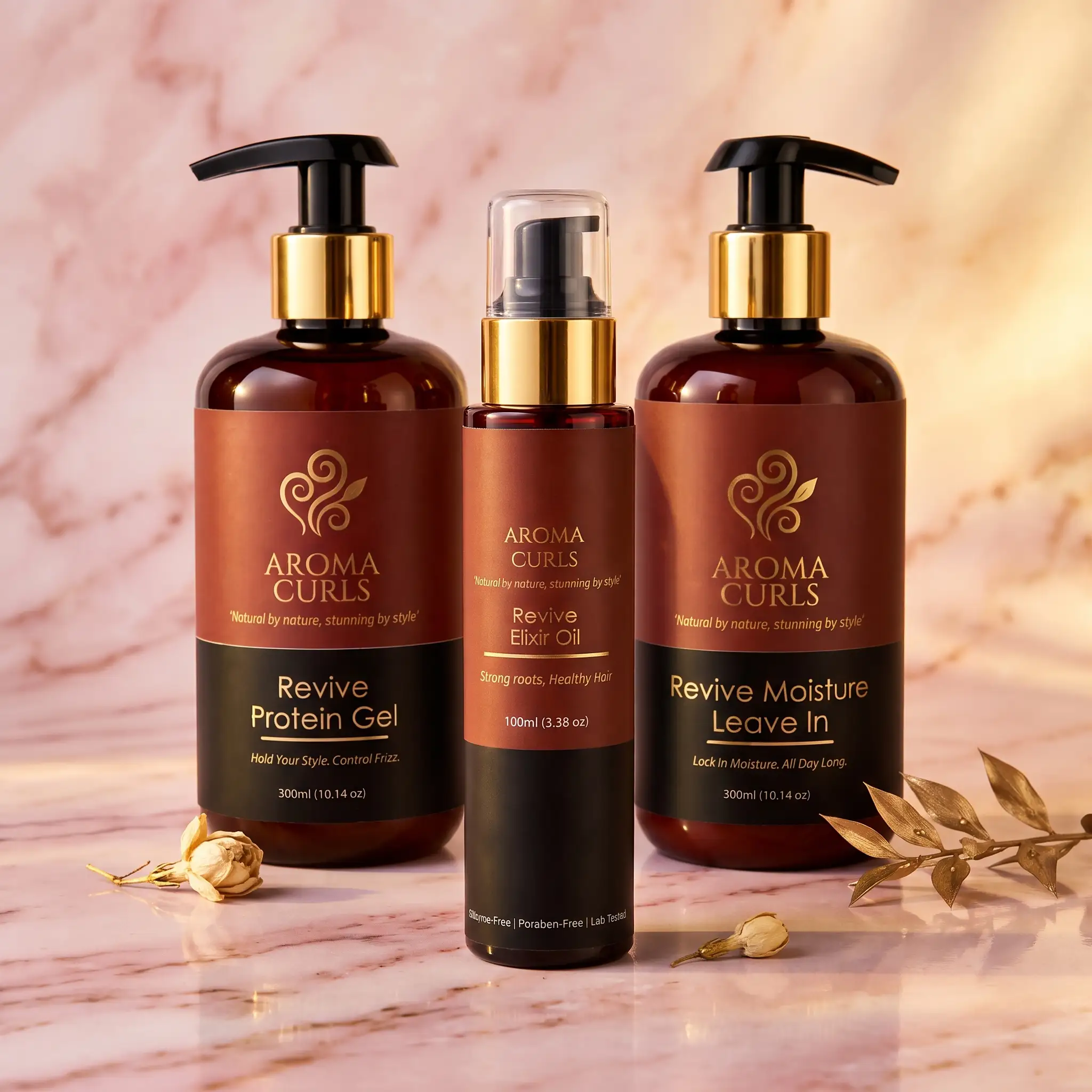
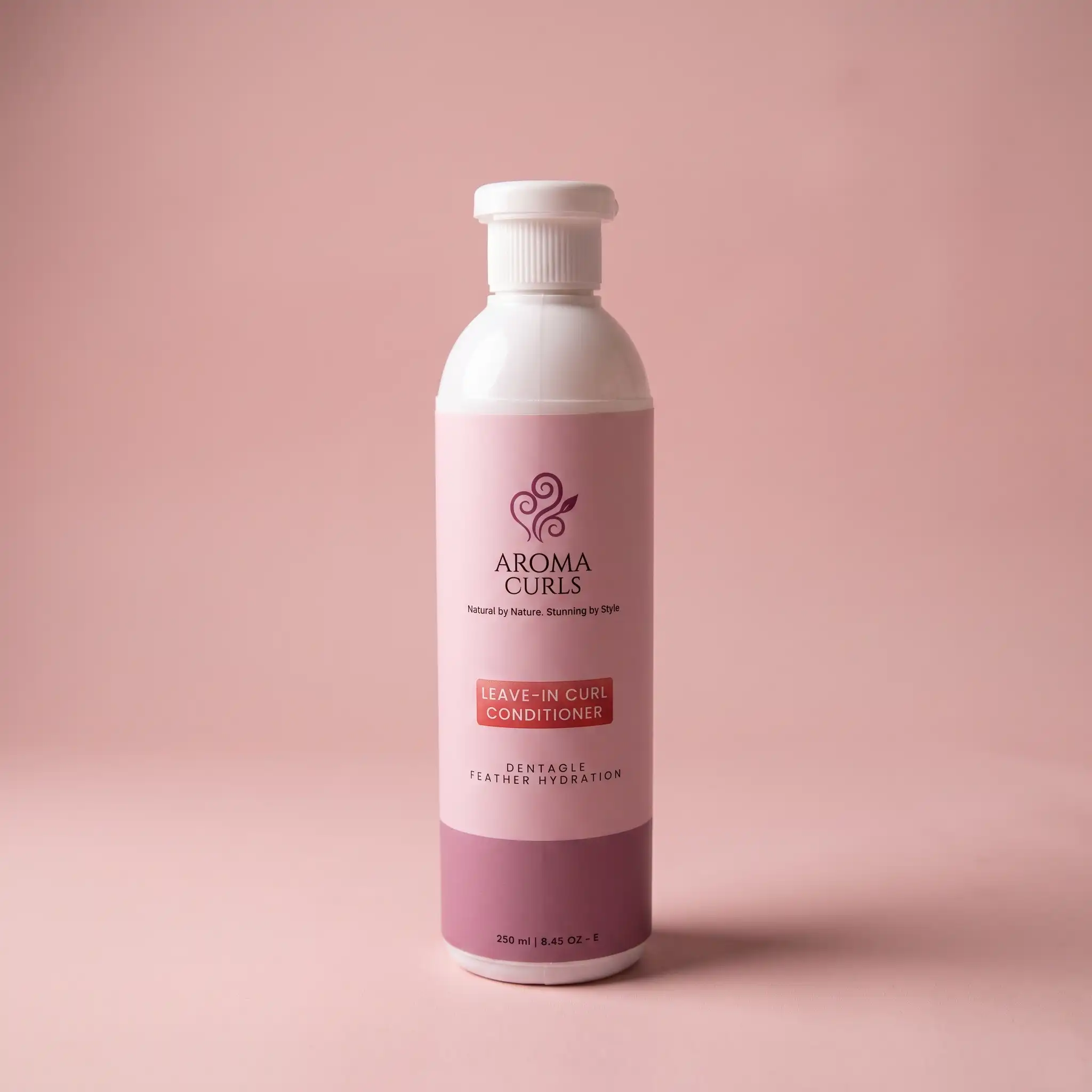
Aroma Curls Leave-In Curl Conditioner
A small amount applied to the ends before pineappling slows overnight moisture loss, especially in Lahore and Islamabad's dry winter months.
Shop Leave-In Curl Conditioner
What to Do in the Morning After the Pineapple
Taking the pineapple down correctly matters as much as putting it up correctly. Pulling the scrunchie out quickly or dragging the hair down from the top disrupts the curl clumps at the moment they're most vulnerable, while still bunched from the pineapple position.
- Flip your head forward again before removing the scrunchie
- Slide the scrunchie off slowly rather than pulling it in one quick motion
- Let the hair fall forward and then stand up slowly
- Scrunch the roots gently with your hands to encourage volume at the crown
- Assess section by section what the curls need before reaching for any product
Most mornings after a good pineapple, the curls need very little. A light mist of water and a scrunch is usually enough to bring the definition back. For days when more product is needed, follow our second-day curl refresh routine.
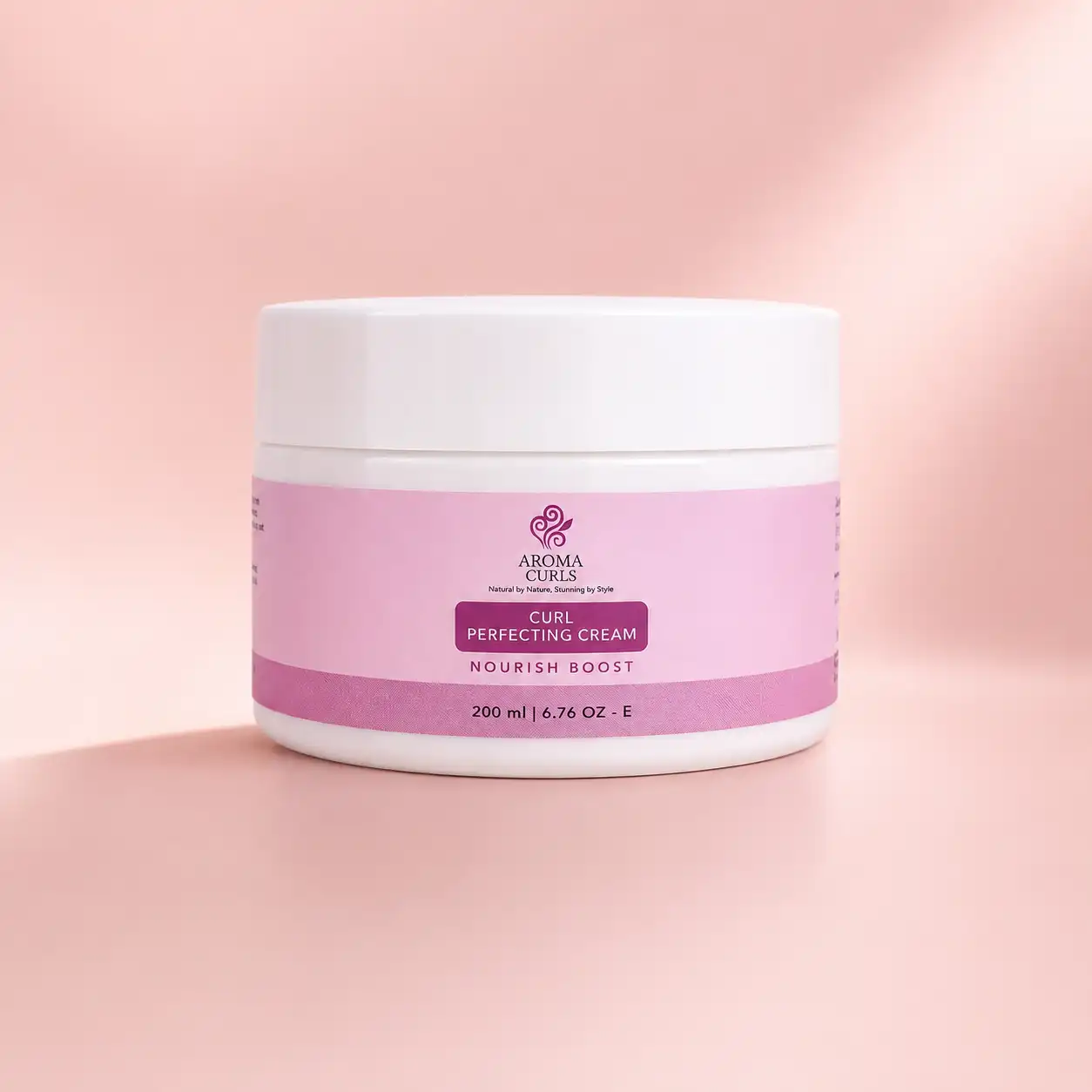
Aroma Curls Curl Perfecting Cream
For any section that needs re-clumping in the morning after the pineapple, a pea-size amount scrunched into that area is enough to reform the curl without adding the weight of a full wash-day application.
Key Takeaways
- The pineapple method is a loose, high ponytail at the crown secured with a satin scrunchie before sleeping
- It prevents friction, compression and moisture loss overnight, the three main reasons curls lose definition by morning
- Use a satin scrunchie only, because regular elastics leave creases and break curl clumps at the tie point
- The pineapple should feel almost too loose; if it feels tight, it will leave a dent and pull at the roots
- Short hair can use a satin bonnet instead; long or thick hair should use two pineapples to distribute weight
- In Karachi's humidity or Lahore's dry winters, a satin bonnet over the pineapple adds an extra layer of protection
- Morning after: flip forward, remove scrunchie slowly, scrunch roots, then mist lightly and scrunch; most curls need very little product after a good pineapple
Frequently Asked Questions
Can I pineapple wet or damp hair?
Pineappling works best on hair that is fully dry. Pineappling damp hair compresses the curl while it is still forming, which leads to flat, undefined sections in the morning. If you wash at night, let the hair fully dry before pineappling, either by air-drying completely or using a diffuser. Going to sleep with damp hair inside a pineapple also increases the risk of scalp irritation and uneven drying.
Is a satin bonnet better than the pineapple method?
Neither is strictly better. They address the same problem in different ways. The pineapple keeps curls elevated and bunched upward, which suits medium and long hair well. A satin bonnet covers all the hair and works better for short curly hair, very tight coils that don't stay in a ponytail easily, or humid climates where extra coverage helps. Many people combine both: pineapple the hair first, then put a loose satin bonnet over it for double protection.
Why do my curls still look flat in the morning even after pineappling?
The most common reasons are: the pineapple was too tight and compressed the hair at the crown, the hair wasn't fully dry before pineappling, or the scrunchie wasn't satin and created friction at the tie point. Try loosening the pineapple until it feels like it could almost fall out, make sure the hair is fully dry, and switch to a genuine satin scrunchie. If flatness is mostly at the roots, scrunch upward at the crown immediately after taking the pineapple down, because that movement restores volume before the hair dries into a flat position.
How do I pineapple curly hair in Karachi's heat when I sweat at night?
Night sweating in Karachi's humidity is a real challenge for curl protection. Sweat deposits salt on the hair shaft, which draws moisture out and causes frizz by morning. Use a satin bonnet over the pineapple to create a barrier. Keep the bedroom cool if possible. If night sweating is significant, plan a rinse-and-refresh rather than expecting the same definition as a non-sweaty night. Some nights simply require a light morning refresh regardless of how well you pineapple.
Does the pineapple method work for 4C coily hair?
Yes, but 4C hair often works better with a satin bonnet or a combination of pineapple and bonnet. Very tight coils can shrink significantly overnight even inside a pineapple, and the coil pattern tends to compress under its own weight. Many people with 4C coils do a loose pineapple and then put a satin bonnet over it, which protects against both friction and the compression that comes from coils settling against each other through the night.
Can I pineapple every night or will it damage my hair?
Pineappling every night with a satin scrunchie does not damage hair when done correctly. The risk only appears if the scrunchie is too tight, made of rough material, or wrapped multiple times creating tension. A loose satin scrunchie placed once around a soft, unforced pineapple is gentle enough for daily use. If you notice any hair breakage at the tie point, the scrunchie is too tight or too rough, so switch to a wider, softer satin option.
The pineapple gets your curls to the morning. What you do in the first few minutes after taking it down determines how the rest of the day looks. Aroma Curls Leave-In Curl Conditioner applied lightly before pineappling slows overnight moisture loss, and a small amount of Curl Perfecting Cream on any section that needs it in the morning brings the definition back without requiring a full rewash.