Signs Your Child's Curl Pattern Is Changing During Puberty
As children enter puberty, their bodies experience significant hormonal changes that affect many aspects of growth and development. we often hear from parents who are surprised to see their child's curls becoming tighter, looser, thicker, or more difficult to manage during the teenage years. These changes are completely normal and are often linked to shifts in hormone levels.
Hormones play a major role in determining hair texture, growth patterns, and scalp health. While genetics establish the foundation of a child's hair type, puberty can influence how those genetic traits are expressed.
Why Hormones Affect Curly Hair
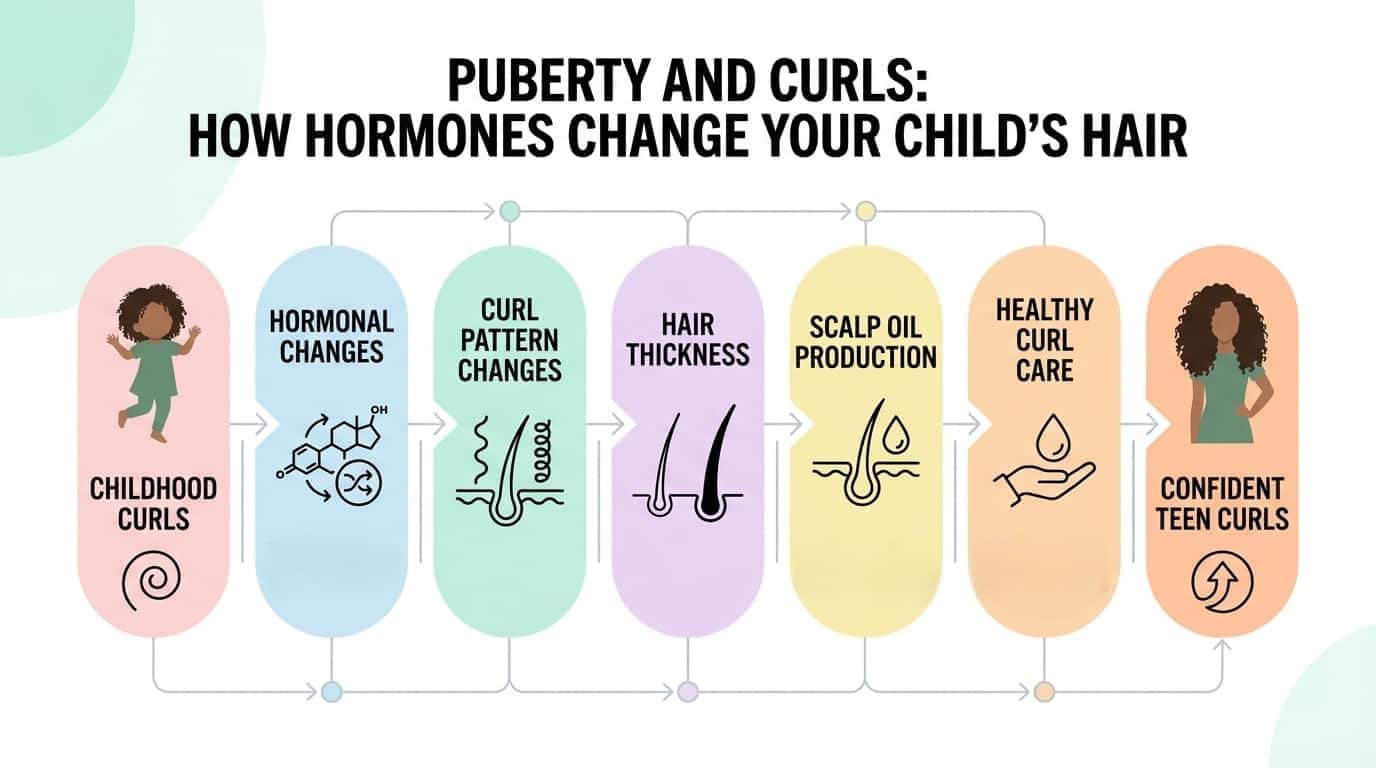
During puberty, the body produces increased amounts of hormones such as estrogen, progesterone, and androgens. These hormones can affect the shape of hair follicles, which directly impacts curl patterns.
Hair follicles determine whether hair grows straight, wavy, curly, or oily. As hormonal activity increases, follicles may subtly change shape. This can cause hair that was once loosely wavy to become curlier, or curls that were once tight to relax slightly.
In addition, hormonal fluctuations can affect:
- Hair thickness
- Hair density
- Oil production on the scalp
- Moisture retention
- Overall hair growth cycles
These factors contribute to noticeable changes in the appearance and behavior of curls.
Common Curl Changes During Puberty
Every child experiences puberty differently, but several hair changes are frequently observed.
Increased Curl Definition
Some children develop more defined curls as hormonal changes influence follicle structure. Parents may notice that waves gradually transform into ringlets or tighter curls.
Changes in Hair Thickness
Puberty often increases hair density and strand thickness. Hair may feel fuller and heavier than it did during childhood.
Scalp Oiliness
Hormones stimulate sebaceous glands, which produce natural oils. As a result, teenagers may experience oilier scalps. Excess oil can weigh down curls and affect their shape.
Increased Frizz
Rapid growth and changing hair texture can sometimes create more frizz. This is especially common when curls need additional hydration during transitional stages.
Supporting Healthy Curls Through Puberty
We encourage parents to view puberty as an opportunity to adjust hair care routines rather than a problem to solve.
A few helpful practices include:
- Using gentle, sulfate-free cleansers
- Prioritizing moisture-rich conditioners
- Avoiding excessive heat styling
- Encouraging protective hairstyles when appropriate
- Maintaining regular trimming schedules
Children and teens should also learn how to understand their evolving curl pattern. What worked at age eight may not be the best routine at age fourteen.
Helping Your Child Build Hair Confidence
Hair changes can affect self-esteem during adolescence. Teenagers are already adapting to many physical and emotional changes, and unexpected shifts in curl texture can sometimes create frustration.
Parents can support confidence by helping children embrace their natural texture and teaching healthy hair care habits. Positive conversations about changing curls can help teens appreciate the uniqueness of their hair rather than viewing changes negatively.
How Aroma Curls Supports Growing Curls
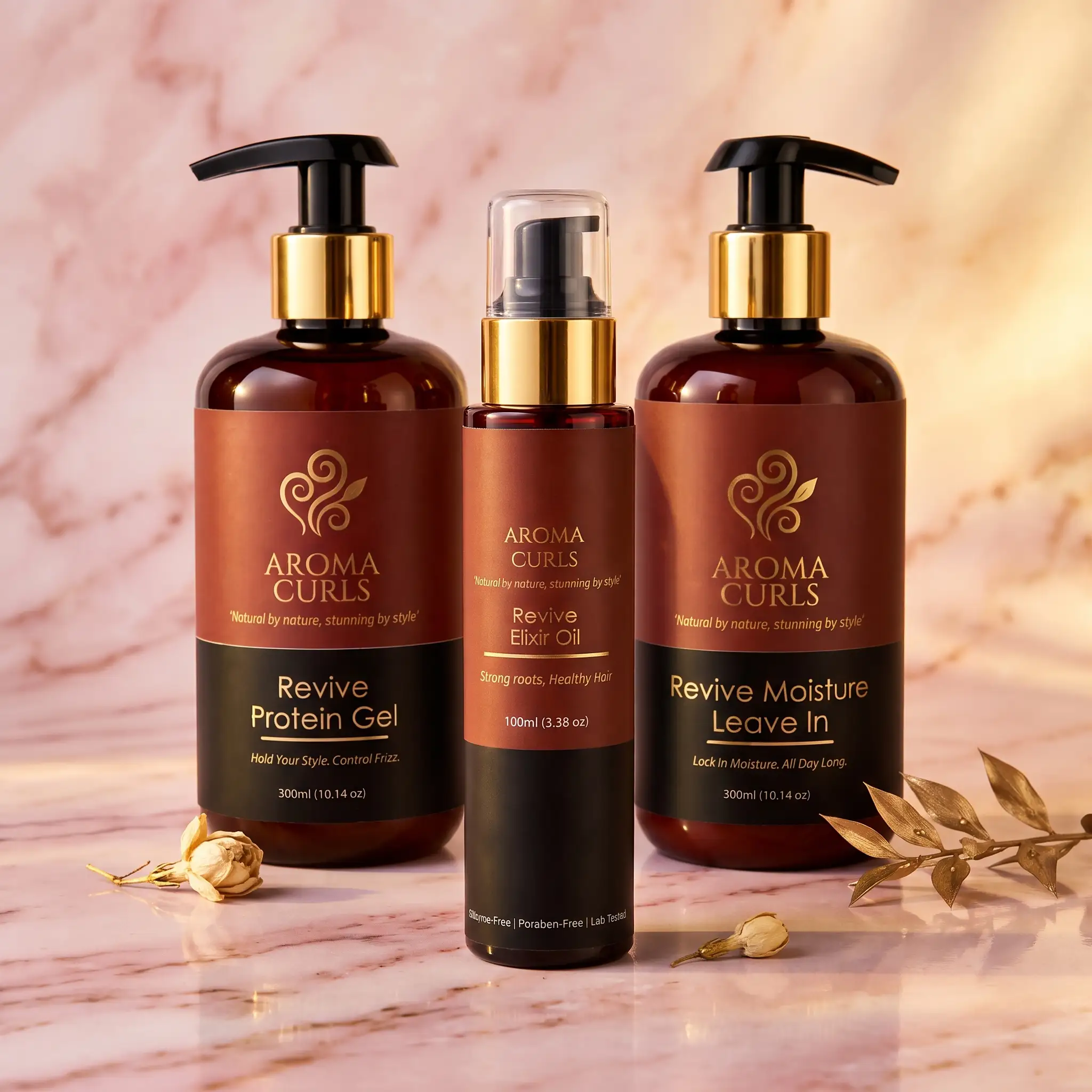
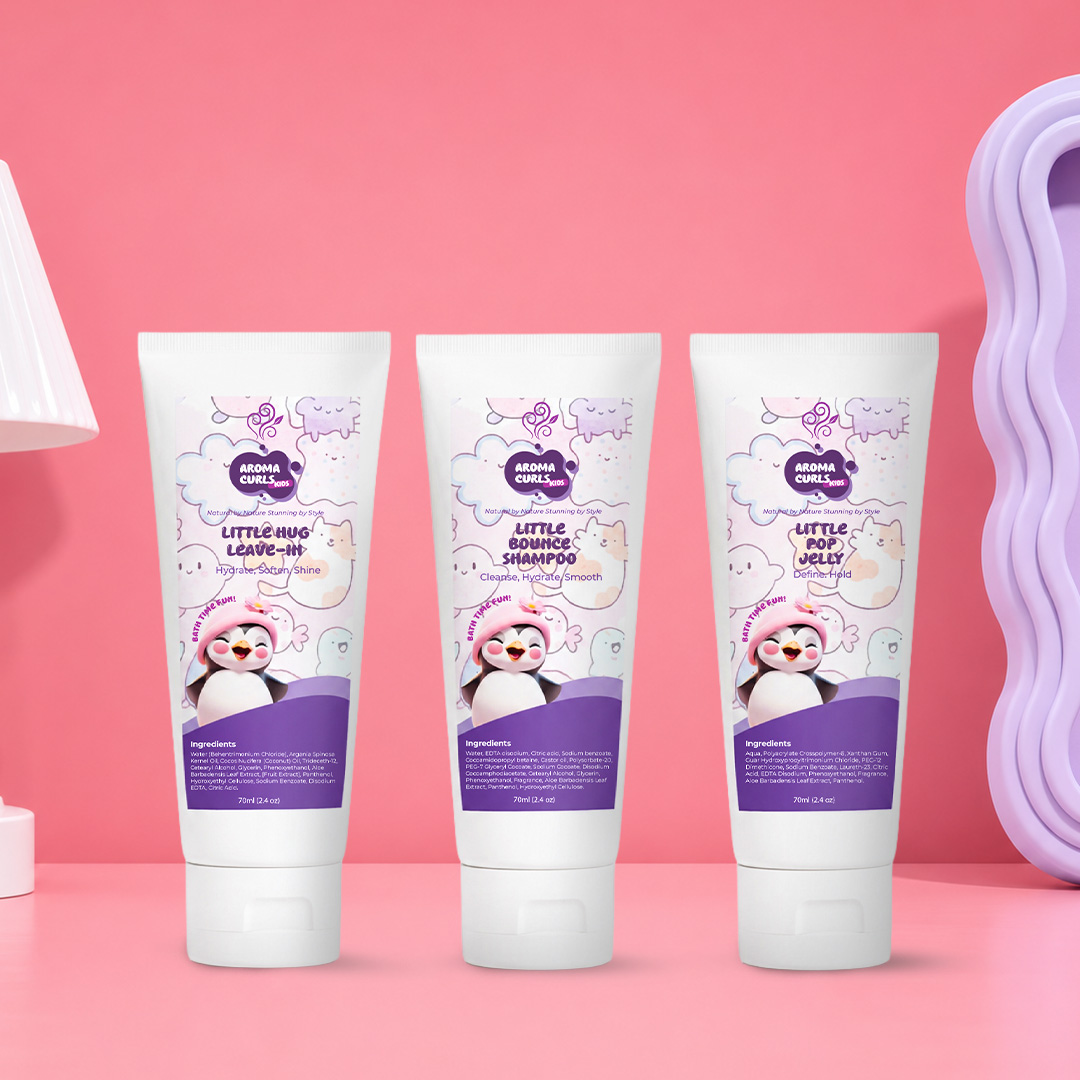
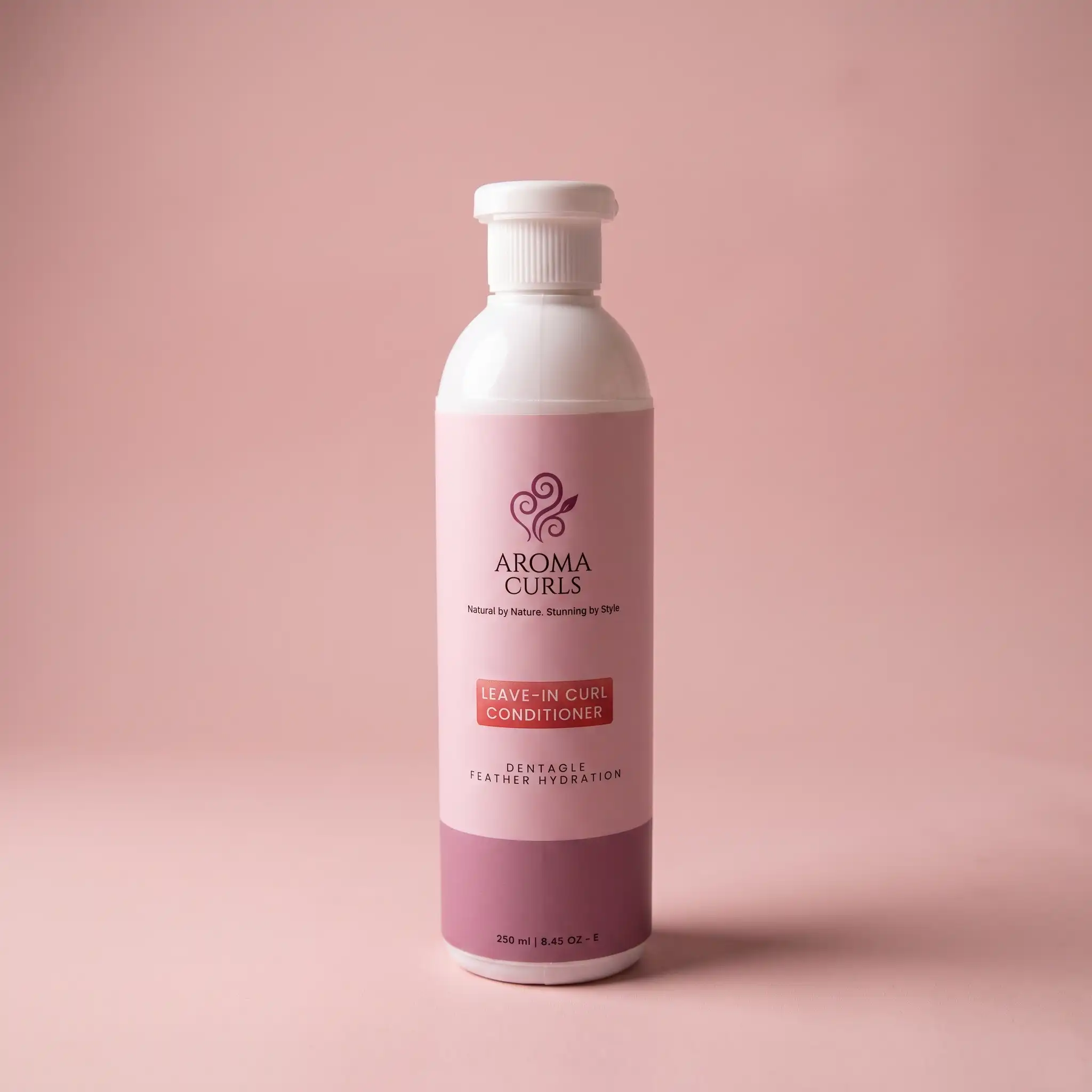
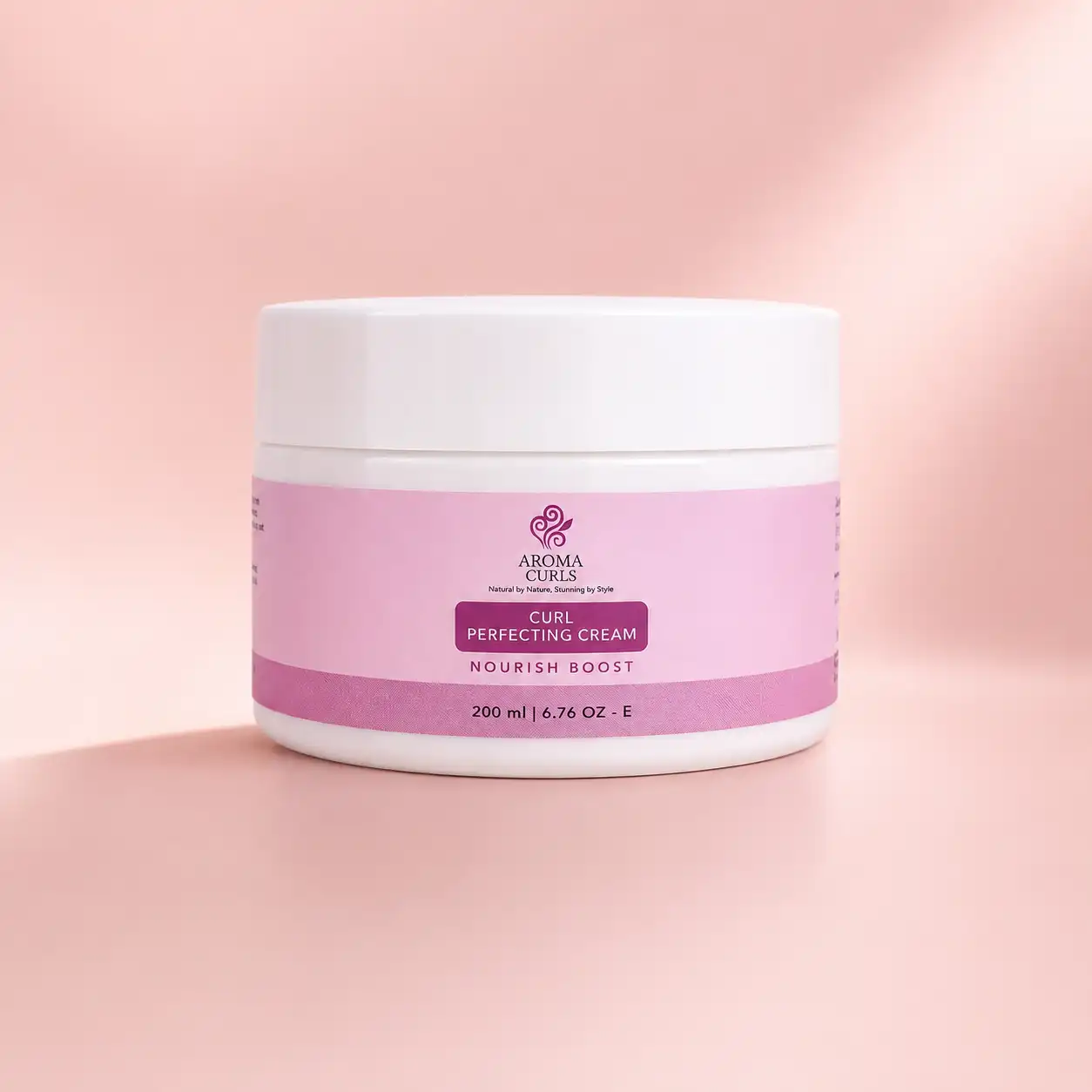
Puberty can bring new challenges for curly-haired children and teenagers. Our botanical-infused, chemical-free formulas are designed to nourish curls with gentle ingredients that support hydration, softness, and manageability. For younger curlies, our dedicated kids collection offers age-appropriate care, while our broader range helps growing teens maintain healthy curls as their texture evolves. By combining consistent care with curl-friendly products, families can confidently navigate every stage of their child's curl journey.
Conclusion
Puberty can significantly influence your child's curls through natural hormonal changes. From shifts in curl pattern and thickness to increased oil production and frizz, these changes are a normal part of development. With proper care, education, and support, parents can help children adapt to their evolving hair texture and maintain healthy, beautiful curls throughout adolescence.